
Find the Right Suppliersat Canton Fair
A practical guide for overseas buyers
Main description: Find the right Chinese suppliers at Canton Fair with a clear sourcing brief, factory checks, and professional local support from BSR.
To find the right Chinese suppliers at Canton Fair, define your product specifications, target market, order quantity, and delivery requirements before searching. Use the official exhibitor directory to build a shortlist, confirm each supplier’s manufacturing role, and compare samples against the same written criteria. Precise supplier matching means selecting a business whose products, capabilities, and commercial terms fit your purchasing needs.
By Sure, a B2B sourcing and international trade content strategist with 10 years of experience turning complex supplier information into practical guidance for overseas buyers.
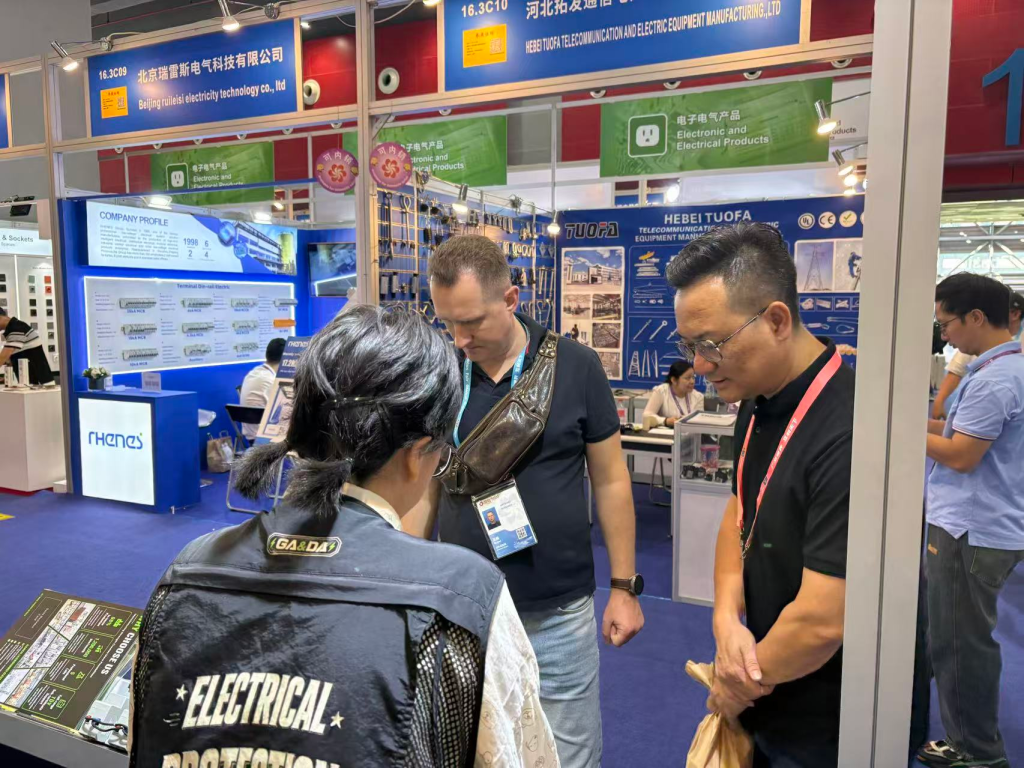
Figure 1:BSR accompanies an overseas buyer during a Canton Fair exhibitor meeting.
What Makes a Chinese Supplier the Right Fit?
The right supplier can produce what you need, at a workable order size, with clear communication and evidence supporting key claims.
According to the Canadian Trade Commissioner Service:
“Find suppliers that have the right operational size for your intended sourcing needs so that they will take your business seriously.”
For a buyer testing a new market, a factory willing to support a small trial order may be more suitable than a large producer focused on established volume accounts.
Evaluate supplier fit across four areas:
- Product fit: materials, dimensions, performance, and customization.
- Commercial fit: minimum order quantity, price structure, and payment terms.
- Operational fit: production processes, scheduling, and quality controls.
- Communication fit: accurate answers, clear responsibilities, and reliable follow-up.
Professional sourcing starts with these requirements. Booth size and an attractive catalogue cannot answer every purchasing question.
Prepare a Sourcing Brief Before Contacting Exhibitors
A sourcing brief is a concise document explaining exactly what the buyer wants to purchase. Send the same brief to every shortlisted supplier so that quotations address the same requirements.
| Information | What to specify |
| Product and application | Product name, intended use, and reference images |
| Technical requirements | Materials, dimensions, performance, and acceptable tolerances |
| Target market | Destination country, sales channel, and applicable product requirements |
| Order plan | Trial quantity, expected repeat demand, and delivery window |
| Branding and packaging | Logo, labels, pack size, and retail or transport packaging |
| Commercial basis | Budget range, currency, and requested delivery terms |
Separate Essentials from Preferences
Label each requirement as mandatory, preferred, or open for discussion. This distinction helps Chinese suppliers suggest alternatives without overlooking a critical specification.
For wall paints, explain whether the project concerns interior or exterior use, the application surface, desired finish, packaging size, and target market. “Good-quality paint” gives a supplier too little information to recommend a suitable product.
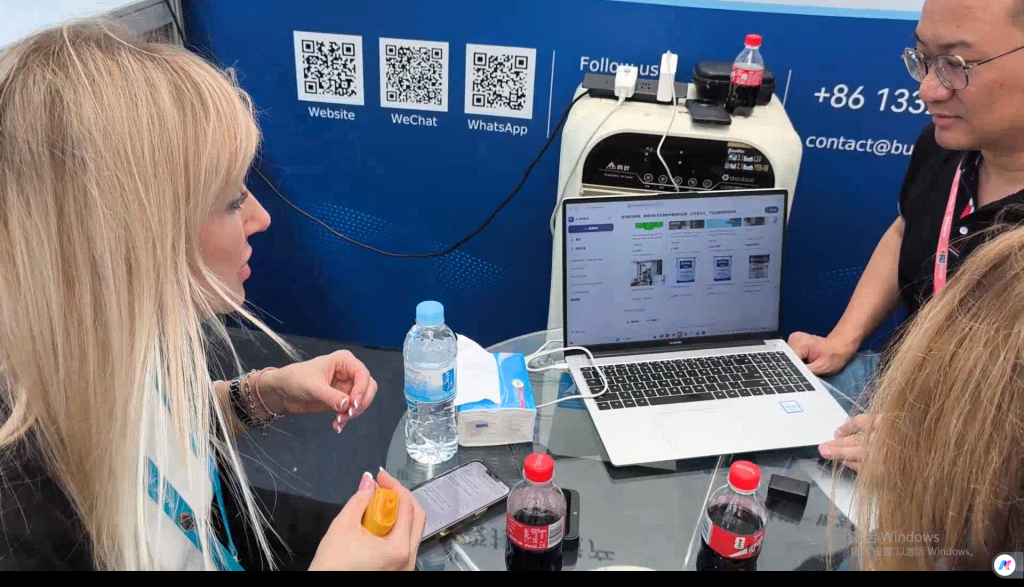
Figure 2:A buyer discusses sourcing requirements with BSR using OrigPoint AI.
Build a Shortlist Using Official Canton Fair Resources
The official Canton Fair app supports exhibitor and product searches by industry category and keyword, alongside itinerary planning and messaging. Use these tools to identify relevant businesses before arriving.
Search with several combinations:
- Product name plus material.
- Product name plus application.
- Product name plus a required manufacturing process.
- Product category plus customization requirements.
Check the current exhibition phase and category arrangements before scheduling meetings. Confirm booth details directly with shortlisted exhibitors.
A manageable starting point might be eight to twelve candidates, reduced to three to five priority meetings after preliminary replies. These numbers are a planning suggestion, not an official Canton Fair recommendation.
Record company names, booth locations, contact details, relevant products, and unanswered questions in one sheet. Group appointments by location and leave space for follow-up discussions.
Verify Direct Manufacturers and the Business Behind the Booth
Direct manufacturers, sometimes called source factories, perform the relevant manufacturing operations themselves. Establish which processes a supplier controls and which processes involve subcontractors.
Check Company Identity
Request the supplier’s Chinese legal name and Unified Social Credit Code. China’s State Administration for Market Regulation explains that the National Enterprise Credit Information Publicity System provides company registration information, including registered addresses and business scope.
Compare the registration record with the company information on the quotation. A registry entry helps establish legal identity; production capability still needs separate assessment.
Check Production Evidence
Ask for:
- The factory address and the production steps performed there.
- Relevant equipment and inspection records.
- Test reports matching the proposed product or model.
- An explanation of any outsourced production.
- A factory visit or a live walkthrough when appropriate.
According to the U.S. International Trade Administration:
“Good due diligence will help protect your company from problems, loss, and liability.”
A trading company can also be suitable, particularly for mixed-product purchasing. Assess transparency, accountability, and the services provided alongside manufacturing status.
Turn Booth Conversations into Useful Purchasing Evidence
A productive booth meeting should resolve specific questions and end with an agreed next step. Bring your sourcing brief and identify the exact sample being discussed.
Questions Worth Asking
- Which displayed model is closest to my specification?
- What changes would require new tooling or development?
- What is the minimum order quantity for my packaging?
- Which documents support the product’s performance claims?
- Who will handle technical questions after the exhibition?
- When can you provide a written quotation and sample plan?
Photograph samples with permission and record model numbers immediately. Keep a short meeting note showing confirmed details, open questions, and promised documents.
Professional local support can help explain technical terms, coordinate meetings, and capture supplier responses. For a more hassle-free visit, agree who will manage interpretation, transportation, and follow-up before the exhibition begins.
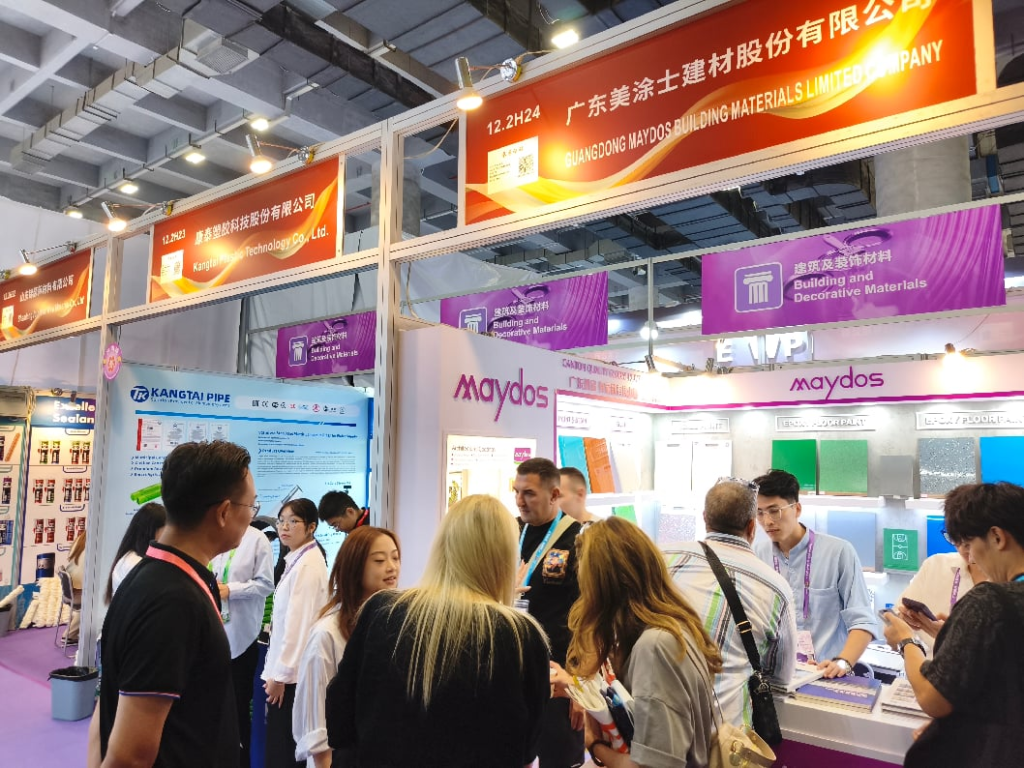
Figure 3:BSR accompanies the buyer to discuss products with exhibitors at Canton Fair.
BSR Buyer Story From a Recommendation to a Factory Visit
BSR’s Canton Fair buyer-service video documents how local sourcing support moved a buyer from initial discussions to a closer assessment of a supplier.
BSR first recommended relevant exhibitors, planned a buyer’s route, and accompanied the buyer to booths. The buyer later sent a thank-you message and introduced a business partner who was looking for wall paints.
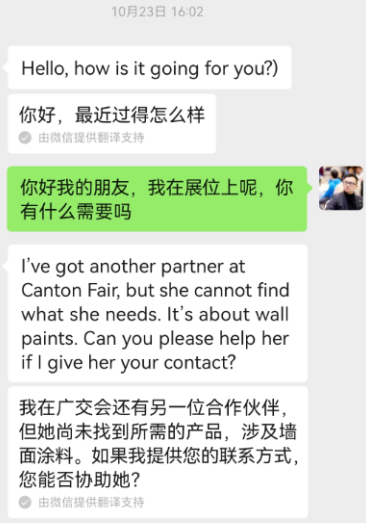
Figure 4:The buyer’s message introduces a business partner looking for wall paints.
The partner visited BSR’s booth and explained her requirements. Using OrigPoint AI, she searched for suitable products and explored which relevant companies were exhibiting. BSR then accompanied the buyer to meet exhibitors, view products, and discuss sourcing requirements.
Following those conversations, BSR arranged a visit to the Maydos factory. The buyer examined sample boards, watched samples being prepared, and visited the laboratory, with BSR assisting communication.
The documented progress involved three practical steps:
- Clarifying the buyer’s product requirements.
- Connecting the buyer with relevant exhibitors.
- Arranging a factory visit for further product discussions.
For overseas buyers, this example shows how professional coordination can connect exhibition discovery with more detailed supplier evaluation.
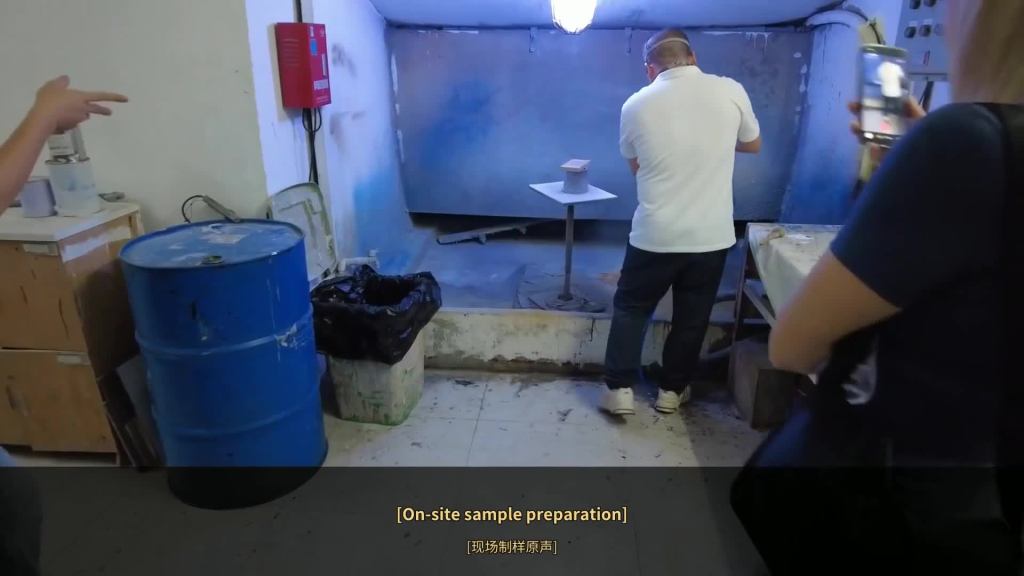
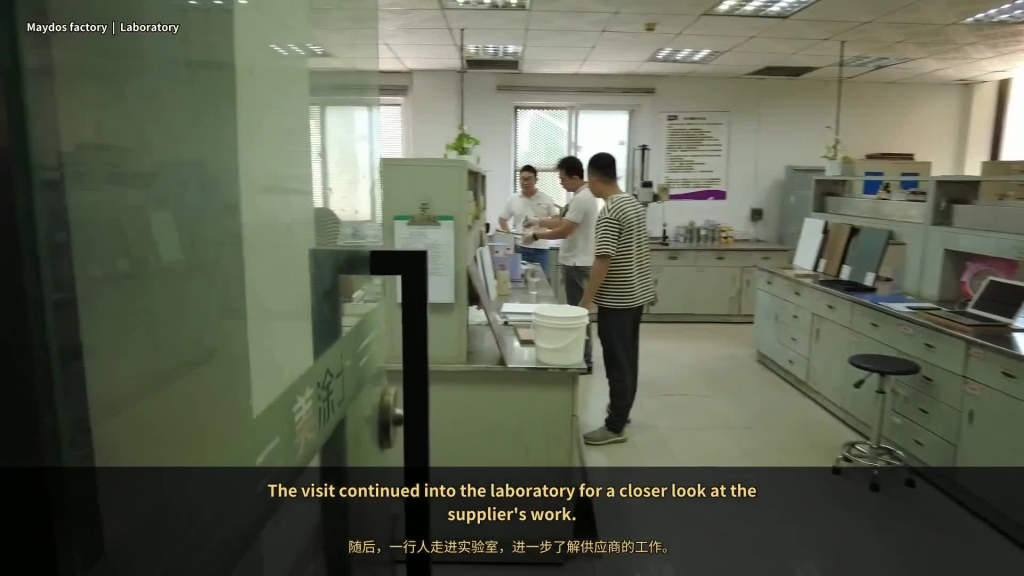
Figures 5–6:Sample preparation and laboratory visit at Maydos. Source: BSR buyer-service video
Compare Samples and Quotations Before Choosing a Supplier
After the fair, send each shortlisted supplier a written summary of the agreed specification. Request comparable quotations and identify every unresolved item before proceeding.
| Comparison area | Evidence to record |
| Product specification | Agreed model, material, dimensions, and performance |
| Sample evaluation | Test results, differences, and required corrections |
| Total purchasing cost | Unit price, tooling, packaging, and freight assumptions |
| Delivery plan | Sample timing, production schedule, and dispatch basis |
| Quality arrangements | Inspection criteria, approval stages, and defect handling |
A low unit price can become less attractive when packaging, development charges, or required changes are added. Evaluate the complete proposal against your purchasing priorities.
Maintain one follow-up tracker with an owner, deadline, and status for each outstanding task. Confirm specification changes in writing so the buyer and supplier work from the same version.
Before approving a larger order, agree how the approved sample and written specification will guide production and inspection.
Frequently Asked Questions
How can I find suitable Chinese suppliers at Canton Fair?
Prepare a sourcing brief, search official exhibitor resources, shortlist relevant companies, and confirm product specifications, order quantities, and delivery requirements before arranging meetings.
How can I check whether an exhibitor is a direct manufacturer?
Check the company’s legal identity, factory address, production processes, and supporting records. A factory visit can help assess whether the supplier performs the relevant manufacturing operations.
Can BSR help with sourcing beyond booth introductions?
BSR can help clarify requirements, coordinate supplier discussions, arrange factory visits, and follow up on samples and quotations. Confirm the service scope and fees for your project.
About BSR
BSR supports overseas buyers sourcing from China through product requirement clarification, supplier matching, local communication, and factory-visit coordination. From planning Canton Fair meetings to following up on samples and quotations, BSR helps buyers keep the sourcing process organized and move discussions forward.
Looking for the right Chinese suppliers? Share your product specifications, target market, and expected order quantity with BSR to discuss practical next steps.
[Contact BSR — insert your sourcing inquiry page link.]